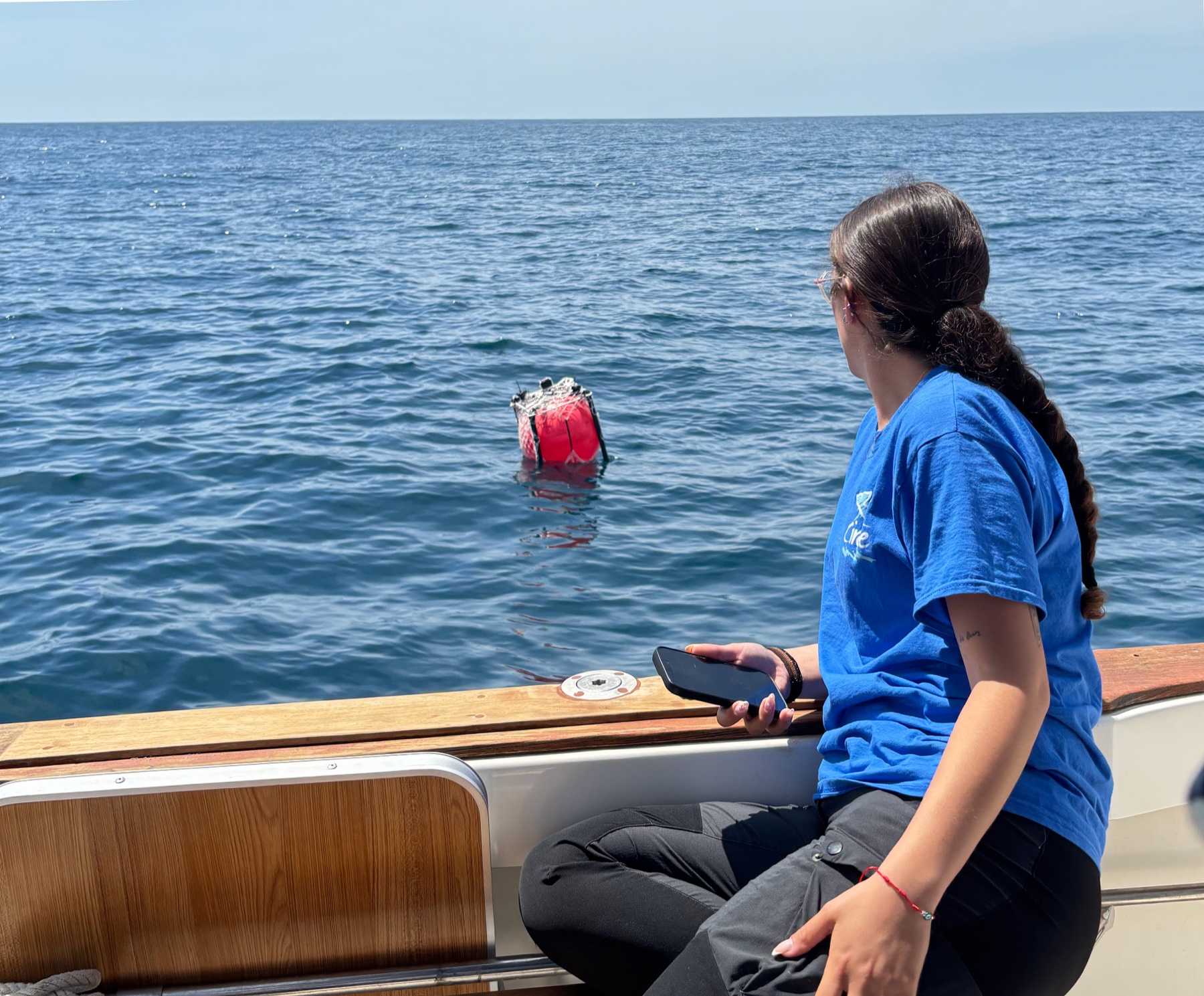
Passive acoustic monitoring of Iberian orcas using a drifting buoy.
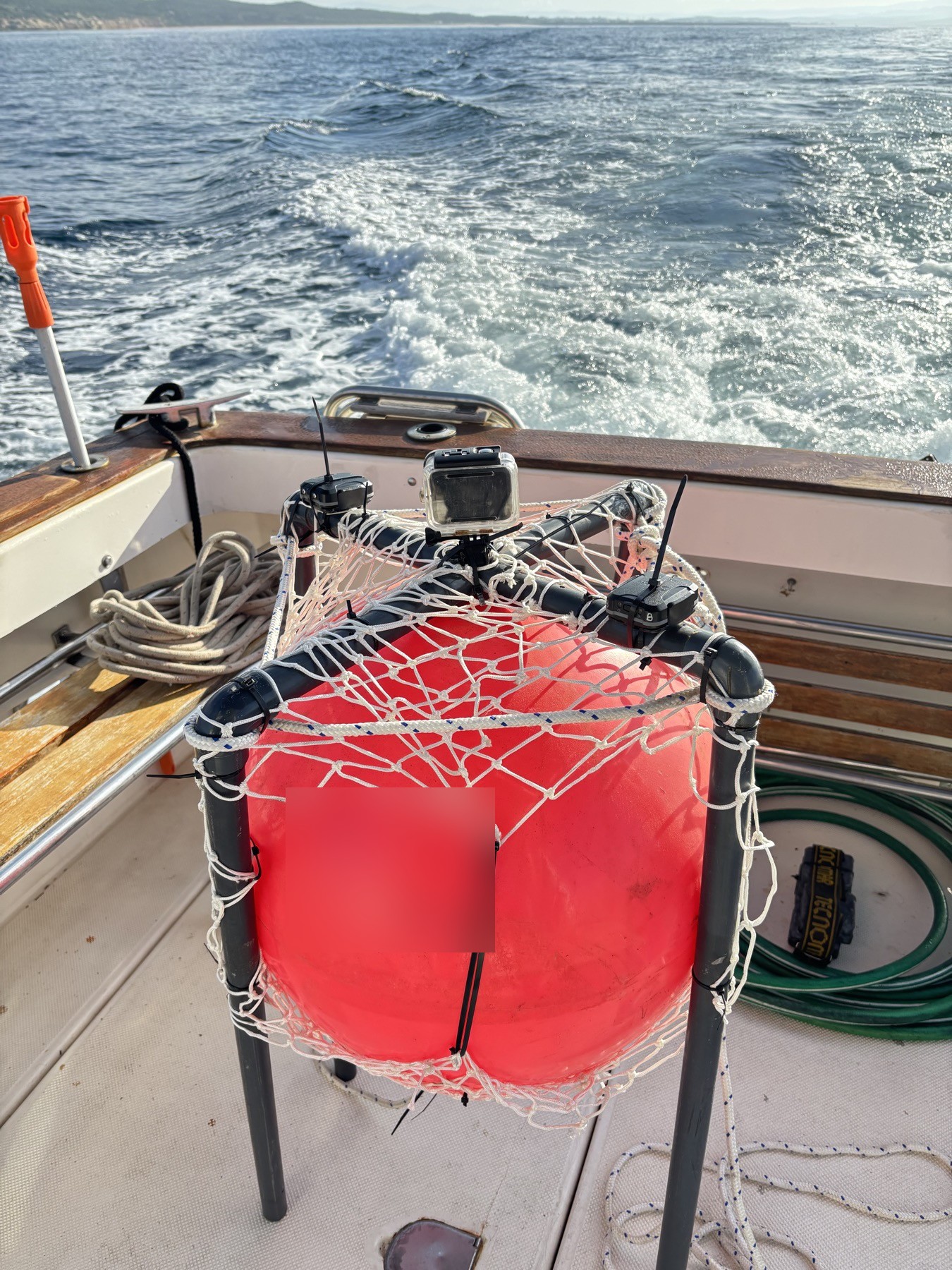
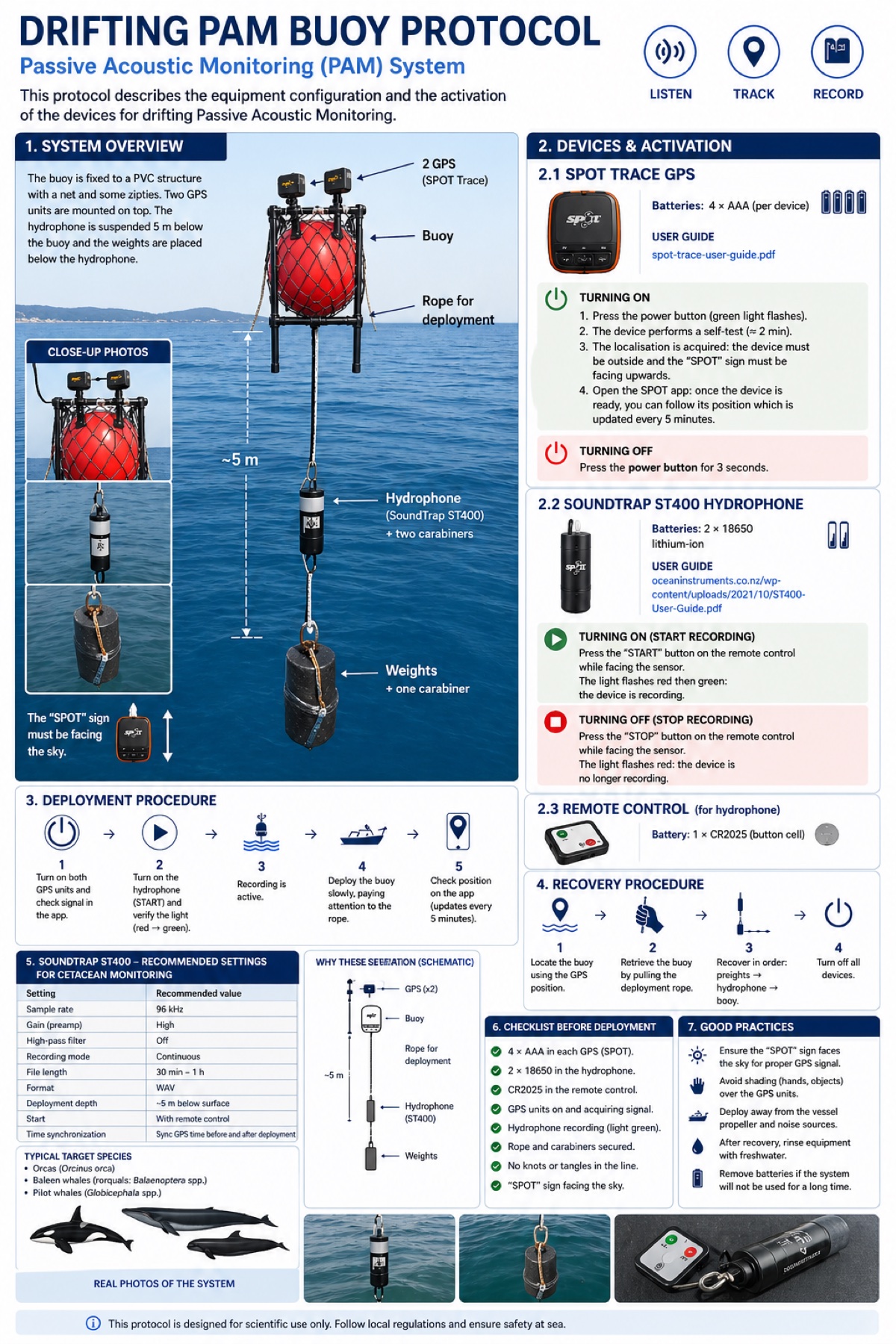
Passive acoustic monitoring system using a drifting buoy, developed in collaboration with Loro Parque Fundación, CIRCE (the only organization authorized to conduct scientific research with the Strait of Gibraltar orca population) and the Universidad de La Laguna (ULL). Initially tested in Tenerife and deployed in the Strait near Barbate in May 2025.
The recordings obtained allowed, for the first time, four distinct classes of sounds from the Iberian orca's vocal repertoire to be described, along with 40 Hz calls from a common fin whale. These results led to the publication "Pilot Passive Acoustic Monitoring in the Strait of Gibraltar: First Evidence of Iberian Orca Calls and 40 Hz Fin Whale Foraging Signals", in the Journal of Marine Science and Engineering (MDPI). MedusaIoT took part in the buoy's field deployment team.
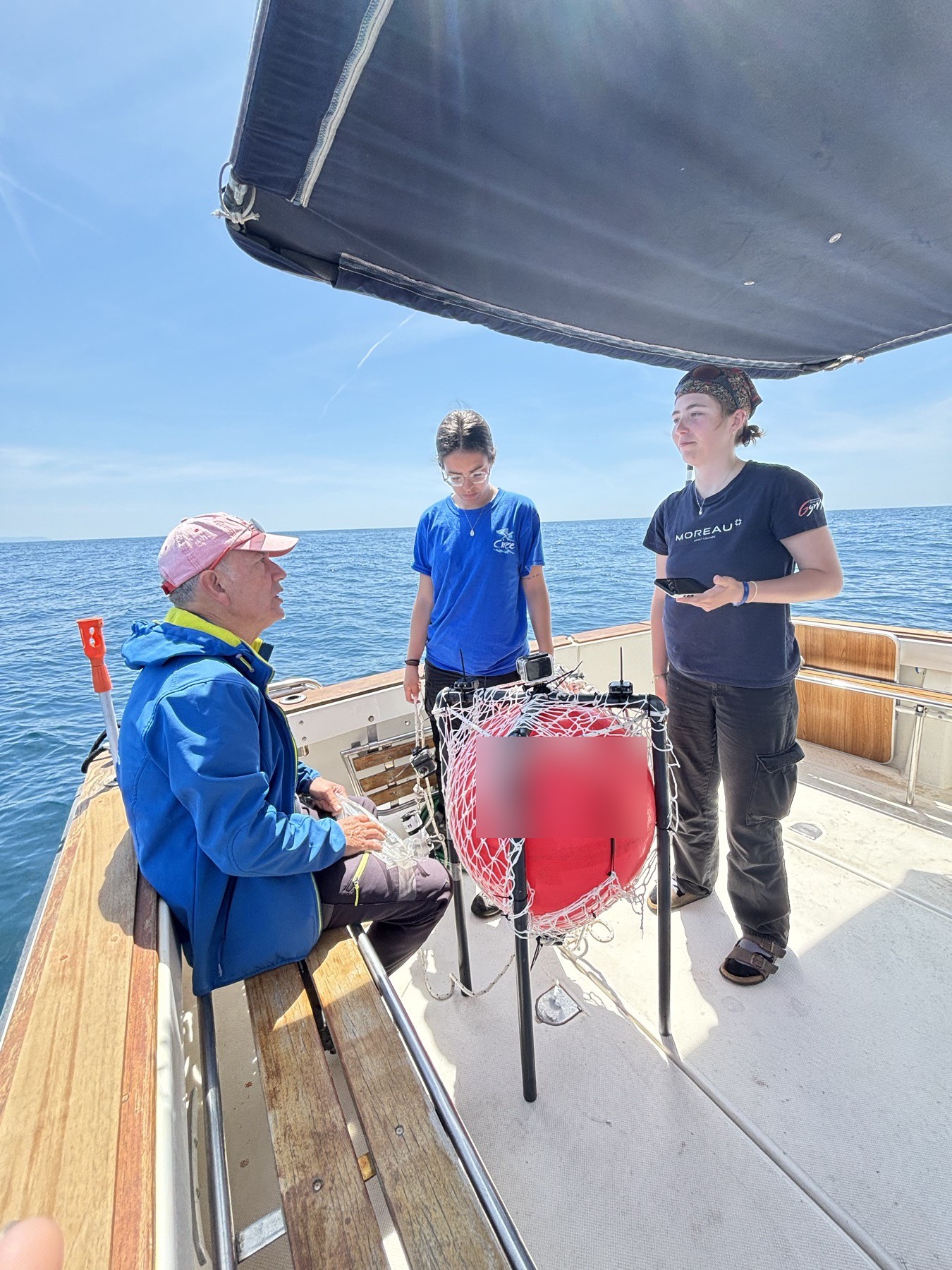
Over three drifts conducted last month in the Strait of Gibraltar, CIRCE and the Universidad de La Laguna (ULL) kept the buoy close to a group of orcas, recording relatively little vocal activity overall — sounds appeared mainly when individuals approached and interacted directly with the buoy. None of the four vocalization types already described for this population (identified the previous year by Loro Parque Fundación, which allowed ULL to produce the first description of the Strait orcas' acoustic dialect) appear in these new recordings.
The recorded vocalizations show a frequency compatible with a young individual, raising the possibility that they came from a calf — calf vocalizations tend to be more variable in their early years, before acquiring the characteristics of their group's dialect. These are preliminary results: it cannot yet be confirmed that the sounds belong to the calf, and analysis is now beginning to identify the vocalizations and the context in which they were produced.